Few realize that before becoming a global icon, the young prodigy from Heppenheim was once considered too aggressive for elite endurance racing. Sebastian Vettel challenged every notion about age by securing his first world title at just twenty-three. This achievement shifted the paradigm of driver development programs within the automotive industry. A significant portion of modern racing fans initially followed his journey through digital simulations, much like how enthusiasts might analyze the mechanics of a xóc đĩa online session to understand probability and risk management. This analytical approach allowed him to master aerodynamic efficiency and tire degradation long before his peers. Beyond that, his ability to communicate technical feedback became the gold standard for the Red Bull Racing era. For those who value precision, his career serves as a masterclass in psychological resilience. It is fascinating to see how strategic minds often bridge the gap between high-stakes sports and the tactical depth found in a game xóc đĩa.
Red Bull Racing and the Four Consecutive Titles
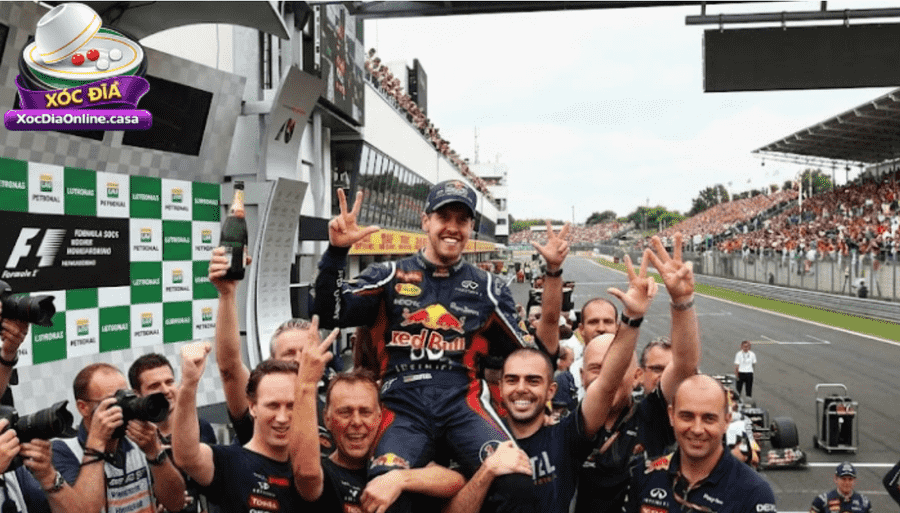
The period between 2010 and 2013 remains one of the most dominant stretches in motorized sports history. Sebastian Vettel transformed the Milton Keynes-based team into an unstoppable force by winning four consecutive World Drivers’ Championships. This era was defined by the synchronization between driver and machine, specifically the blown diffuser technology designed by Adrian Newey. Notably, his rivalry with veteran drivers proved that mental fortitude is as vital as raw speed. Very few pay attention to how he managed the pressure of being the hunted leader for four straight years. The intensity of these seasons required focus that transcends the physical act of driving. Additionally, his mastery of the qualifying lap allowed him to dictate the pace of almost every race from the front. This strategic positioning is a concept familiar to anyone who studies the flow of a game xóc đĩa to predict future outcomes based on historical patterns.
Engineering Synergy within the RB6 to RB9 Models
The technical evolution of the cars during his championship run provided the platform for his record-breaking nine consecutive race wins in 2013. Each iteration of the vehicle was tailored to his driving style, which favored a stable rear end during high-speed corner entry. Another key aspect was his deep involvement in simulator work, spending hours to perfect engine mapping. For those who appreciate detail, his relationship with race engineer Guillaume Rocquelin was instrumental in translating data into on-track performance. This communication ensured the car evolved faster than the competition throughout the long European and flyaway seasons.
The Psychological Edge in High-Stakes Qualifications
Qualifying sessions revealed the gap between a great driver and a legendary one. Sebastian Vettel possessed an uncanny ability to find three-tenths of a second in the final sector when pressure was highest. This “one-lap magic” frequently demoralized opponents before the Sunday race began. Beyond that, his understanding of tire warm-up cycles meant he could exploit peak grip more effectively than anyone else. This calculated risk-taking is a hallmark of elite performers across all competitive disciplines. The combination of precision, timing, and mental composure required at this level is something many enthusiasts also associate with game xóc đĩa, where careful judgment and control often play a crucial role in the overall experience.
The Ferrari Chapter and the Pursuit of the Dream
Transitioning to Scuderia Ferrari in 2015 represented a pursuit of the childhood dream inspired by Michael Schumacher. While the partnership did not result in a world title, it solidified his status as a leader capable of galvanizing fans. Vettel brought German organization to the passionate Italian team, leading to memorable victories in Monaco and Silverstone. Much of his time at Maranello was spent attempting to bridge the technical gap to the dominant Mercedes power units. Notably, his victory at the 2015 Malaysian Grand Prix in only his second race for the team signaled a brief resurgence for the Prancing Horse. For those who followed this era, the emotional highs and lows were a testament to his dedication to the sport’s most historic brand.
Leadership and Cultural Integration at Maranello
Adapting to the unique atmosphere of an Italian racing team required emotional intelligence. He learned the language and immersed himself in the culture to motivate mechanics and designers. This holistic approach to leadership is something few drivers successfully navigate when moving between top-tier organizations. Another key aspect was his role in developing the SF70H and SF71H cars, which were the only machines truly capable of challenging for the title during the early hybrid era.
Maintaining Performance Amidst Internal Transitions
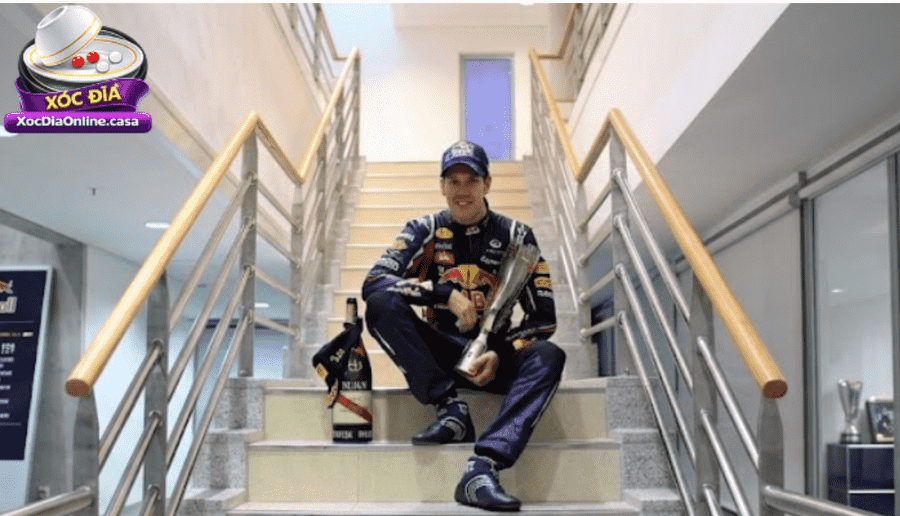
The later years at Ferrari were marked by management changes and shifts in technical direction. Despite internal turbulence, his commitment to extracting the maximum from the car never wavered. For those who analyze sports longevity, his ability to maintain top-level performance while mentoring younger teammates showcased a maturing perspective on his professional legacy. This period proved that his value extended far beyond the trophies in his cabinet. His consistency, adaptability, and calm approach under pressure are qualities that many enthusiasts also associate with game xóc đĩa, where strategic thinking and composure can significantly influence the overall experience.
Environmental Advocacy and the Aston Martin Transition
The final stage of his career at Aston Martin saw a shift toward global stewardship. Sebastian Vettel utilized his platform to bring attention to climate change, bee conservation, and human rights. This evolution from a single-minded racer to a conscious global citizen inspired a new generation of athletes. In addition, his technical feedback was pivotal in helping Aston Martin transition from a midfield contender to a podium challenger. Few pay attention to how he balanced the physical demands of racing with the intellectual demands of environmental projects. Notably, his hands-on approach, such as building bee hotels with children, demonstrated that his interests were genuine and not merely a branding exercise.
Technical Contributions to the AMR Series
Even as he prepared for retirement, his work ethic remained unparalleled. He provided foundational data that allowed the team to make significant leaps in aerodynamic stability for future seasons. For those who understand vehicle development, his influence will be felt in the team’s performance for years to come. Beyond that, his presence helped attract top-tier engineering talent to the Silverstone-based outfit. His attention to detail and ability to contribute strategically under pressure reflect the qualities that many enthusiasts also associate with game xóc đĩa, where careful analysis and disciplined decision-making are often highly valued.
Legacy of Mentorship in the Paddock
Throughout his final seasons, he became a mentor to younger drivers. His willingness to share knowledge on navigating the pressures of fame was a rare trait in a competitive environment. This selfless approach ensured his influence would continue long after he hung up his helmet. Another key aspect was his vocal support for diversity and inclusion within the technical ranks of the paddock.
Life After the Chequered Flag and Lasting Influence
The retirement of a champion often leaves a void, but his departure felt like a transition into a new form of leadership. Sebastian Vettel continues to be a relevant voice, advocating for sustainable fuels and the preservation of racing history. His career serves as a reminder that excellence is about the manner in which one conducts themselves under pressure. For those who look for inspiration in the strategic depth of a game xóc đĩa, his life offers a parallel in patience and the courage to change course when the situation demands it. The sportsmanship he cultivated remains a benchmark for future generations.
Conclusion
The impact he made on the technical side of Formula One is matched only by his growth as a human being. Whether he was adjusting a wing angle or discussing carbon sequestration, his focus remained absolute. Become a member of our community to celebrate the journey of a man who mastered the fastest machines on earth while never losing sight of the world around him. His story encourages everyone to pursue their passions with the same intensity he brought to every corner. Dive into the various ways his legacy continues to shape the future of sustainable motorsport. Sign up today to follow the ongoing projects of a champion who proved that the finish line is often just the beginning of a much larger race. One thing is certain: the world of racing will always remember the finger-pointing celebration of a man who changed the sport forever. His ability to read a race was as sharp as a veteran player’s ability to read a game xóc đĩa during a high-stakes moment.