

Throughout the history of world football, certain regulations have completely changed tactical thinking, created unbelievable comebacks, and pushed millions of fans to the edge of their emotions. One of the most iconic and controversial rules was the away goals rule. Although this regulation has now been officially abolished by the Union of European Football Associations (UEFA) in European club competitions, its legacy and the dramatic stories surrounding it remain an unforgettable part of the history of the world’s most popular sport. Let’s look back at the history and tactical essence of this rule while following xem bóng đá Xoilac.
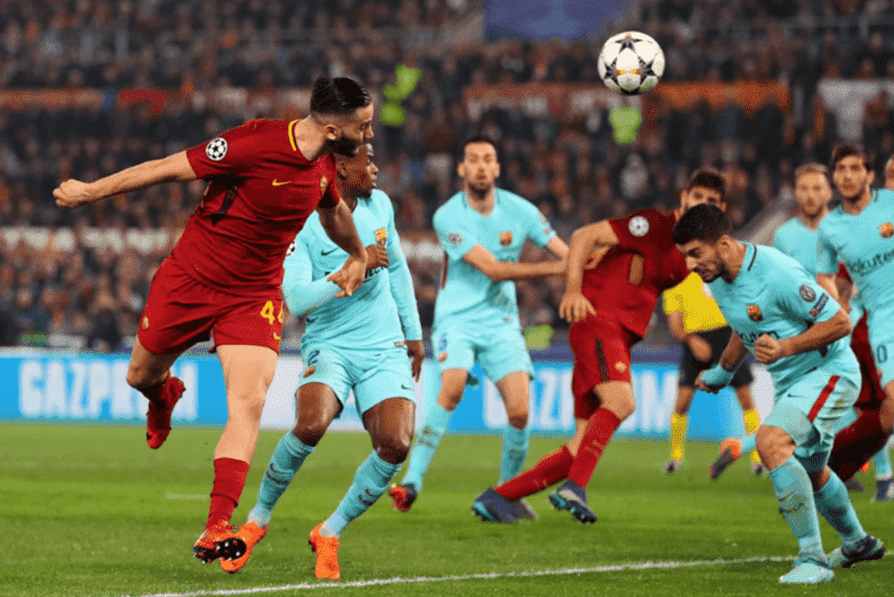
The away goals rule was introduced in the 1965/1966 season to encourage attacking football.
What Is the Away Goals Rule and When Was It Introduced?
The away goals rule was a regulation used to determine the winner in knockout rounds played over two legs when the aggregate score after 180 minutes (or including 30 minutes of extra time) was level.
Under this rule, the team that scored more goals away from home would advance to the next round. If both teams had scored the same number of away goals, the match would then be decided by a penalty shootout.
- Basic rule: A level aggregate score after two legs would be decided by comparing the number of goals scored away from home.
- Introduction: UEFA first introduced the rule in the European Cup Winners’ Cup during the 1965/1966 season.
- Historical context: In the 1960s, traveling to away grounds was an extremely difficult challenge due to underdeveloped transportation, poor-quality pitches, and enormous pressure from home supporters. Away teams often adopted an overly defensive “parking the bus” approach to secure a 0-0 draw. The away goals rule was introduced as a stimulus to encourage visiting teams to attack more courageously.
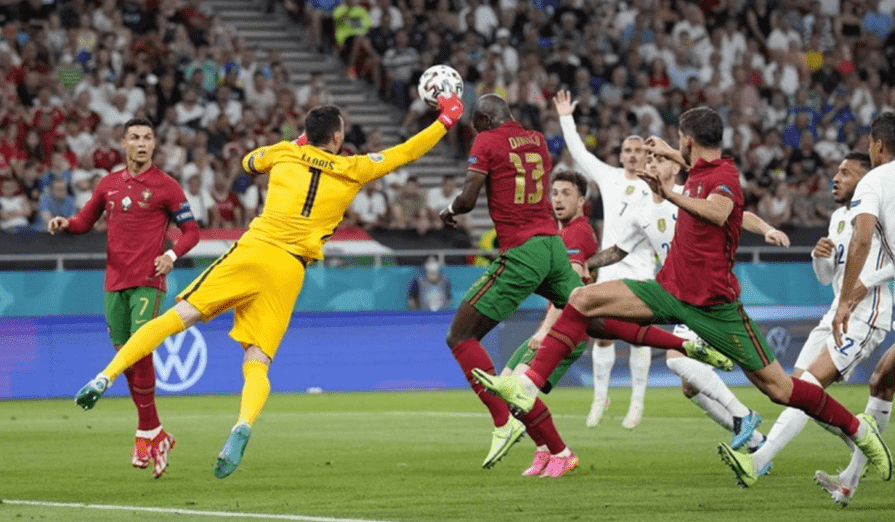
Many emotional comebacks in Champions League history were closely associated with this regulation.
Tactical Artistry and Unbelievable Drama
When the away goals rule was in effect, every goal scored on an opponent’s ground carried enormous psychological significance. This required coaches to make highly sophisticated tactical calculations:
Tactical Advantages and Pressure
A 1-1 or 2-2 draw away from home was often considered a huge advantage ahead of the second leg. Conversely, conceding at home in the first leg was regarded as a tactical “disaster” because it meant the home side would have to win or draw with a higher score when playing away in the return leg.
Comebacks That Made History
The away goals rule produced some of the craziest scenarios in Champions League history. Fans watching on xem bóng đá Xoilac certainly cannot forget Lucas Moura’s legendary hat-trick that helped Tottenham defeat Ajax 3-2 in Amsterdam in 2019 (3-3 on aggregate, with Tottenham advancing thanks to the away goals rule), or Roma’s miraculous comeback against Barcelona in 2018.
Whenever historic matches like these took place, the atmosphere both in the stands and on the Xoilac TV channel would erupt with unforgettable emotions.
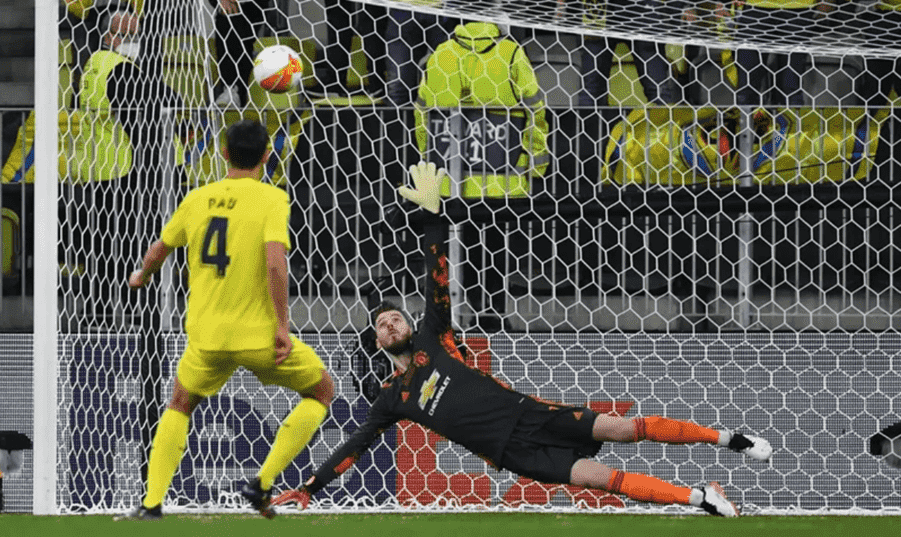
UEFA abolished the away goals rule to create greater fairness for teams.
Why Did UEFA Abolish It and How Did It Affect National Football Standings?
In the 2021/2022 season, UEFA made a historic decision: it completely abolished the away goals rule in all club competitions (Champions League, Europa League, and Conference League).
Why Was This Classic Rule Abolished?
- The narrowing gap between home and away matches: In modern football, advanced transportation, standardized pitches, and analytical technology mean away teams no longer face the same disadvantages they experienced in the 1960s.
- The opposite tactical effect: Instead of encouraging attacking football, the rule inadvertently caused home teams in the first leg to play too cautiously because they feared conceding, resulting in many dull matches.
- Inequality during extra time: The away team playing extra time in the second leg had an additional 30 minutes to score an away goal, creating an imbalance for the home team.

Playing more extra time directly affects the fitness levels and standings of many teams.
The Impact on Fitness and Team Rankings
This change has made second-leg matches more even: any level aggregate score now sends the teams into extra time and potentially a penalty shootout. This directly affects players’ fitness and significantly changes the form of teams when they return to domestic competitions.
Fans following changes in the national football standings across leading leagues such as the Premier League, Serie A, and La Liga can easily notice the fatigue experienced by major clubs after cup matches that force them to expend every ounce of energy over 120 minutes. Abolishing the away goals rule has significantly increased the number of matches that require extra time, creating unexpected variables in the bảng xếp hạng bóng đá quốc gia as teams are forced to rotate their squads continuously.
Every change in the standings caused by these physical consequences is continuously updated and realistically delivered to viewers when they access Xoilac 365.
Conclusion
The away goals rule may have become a thing of the past in European competitions, but the dramatic legacy it left behind remains a beautiful memory in football history. Football is constantly evolving and innovating, but its emotional value will remain forever. Continue nurturing your love for the beautiful game, enjoy top-level contests, and choose Xôi Lạc 365 as your trusted companion to experience every exhilarating minute!
