

Jackpot Jun88 This topic is suitable for those who enjoy symbol-based spinning games with intuitive interfaces and easy-to-learn controls. The search results on the site provide descriptions indicating relatively simple gameplay; however, newcomers should still carefully read the rules before starting. Each game may have its own reward table, symbol system, and activation conditions for its features.
Familiarize yourself with the mechanics: Reward table, symbols, and how to read the results.

The first step for beginners is to understand how the game determines a valid outcome. Don’t just observe the visual effects and try to guess the value of each symbol. Users need to open the paytable, check the combination conditions, and verify the applicable spin level.
Read the payment schedule before the first round.
The payout table helps players understand which symbols are valuable and the required number to form a winning combination. When starting a new game, members should take the time to review the entire content instead of immediately beginning to spin. Pay attention to the counting positions, the number of symbols required, and how the value changes based on usage if the interface specifies otherwise. Understanding the payout table from the start helps users accurately interpret the results after each round and avoid confusing a prominent image with a valid combination.
Distinguishing symbols by function
In a spin, the symbols can play different roles. Some symbols participate in regular combinations, while special symbols may be related to additional features depending on the product’s rules. Players should read the description to understand the exact function instead of guessing based on color or design. The appearance of a special symbol in the current round does not guarantee its continued appearance.
Understanding the scope of valid combination creation
The system doesn’t automatically register a result just because multiple identical symbols appear on the screen. Users need to check if they are in the correct position and meet the game’s conditions. Some products may have their own specific structure, as shown in the instructions. After the wheel stops spinning, members should wait for the system to display the full results before proceeding.
Customize the experience: Rotation speed, timing, and feature usage.
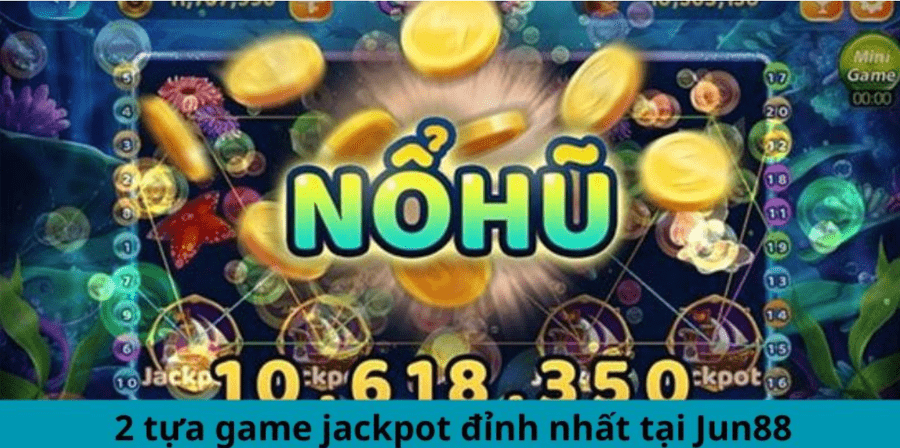
After understanding the basic mechanics, players can focus on the speed of the experience. The continuous rounds can easily create the feeling that just one more action is needed. Without control, the number of rounds and budget can increase faster than planned. Members should take breaks between each group of rounds, check their balance, and monitor their mental state.
Maintain a moderate pace during the getting-to-know-you phase.
The first few rounds should be used to observe how the symbols appear, how the system announces the results, and the responsiveness of the device. Players don’t need to speed up right from the start. After a group of rounds, members can pause for a few seconds to check their balance and current level. This helps avoid habitually performing actions without paying attention to the game’s progress.
Use limited auto mode.
If the game currently running has an auto-spin mode, users should carefully check the number of spins, the amount of money, and the stop conditions before enabling it. It’s not advisable to set up an excessively long series and then leave the device unattended, as the budget can change rapidly without being monitored. Members should choose short ranges and double-check after each group of rounds.
Do not infer from the history of the rotation.
A long streak without a special symbol appearing might lead players to believe that such a result is imminent. Conversely, after a standout round, members might believe that the favorable pattern will continue. Such reasoning easily leads to decisions to increase stakes beyond the planned amount. History only reflects what has happened and does not require the next round to balance or repeat the pattern.
Budget management: Allocating funds, controlling emotions, and maintaining discipline.

Understanding the rules doesn’t mean players can ignore financial management. The game is fast-paced, so total spending can increase significantly if members constantly change values or extend sessions. A suitable plan requires determining your capital before starting, dividing it into smaller portions, and setting stop-loss points.
Divide the capital into smaller portions.
Players should set aside a separate budget for entertainment, completely separate from living expenses, loans, or other financial obligations. The total budget can then be divided into portions for each period. When a portion is depleted, players should pause to check their spending instead of immediately using the next portion. This method helps identify the rate of depletion and prevents the use of the entire budget in a single session.
Do not increase the level to recover what has been used.
When the budget decreases after several rounds, players may easily think that increasing the stake will help them quickly recoup their previous losses. This is when emotions can alter the plan. Completed rounds do not create a commitment to the next outcome. If the capital decreases faster than expected, members should keep the stake low, take a break, or end the session.
Stay calm after a favorable result.
It’s not just unfavorable periods that affect psychology. A positive outcome can lead to overconfidence and an immediate increase in the number of spins. Members should remember that the last spin doesn’t guarantee the next outcome. Instead of making drastic changes, check your balance and continue with your plan. If you feel you’re starting to spin faster or want to expand your budget because you’re in a euphoric mood,
Conclude
Nổ hũ Jun88 Players should approach this by reading the prize table, understanding the symbol roles, and checking the spin levels before acting. They need to maintain a moderate pace, avoid speculating on history, and refrain from increasing their budget to chase past results. Dividing capital into smaller portions, checking balances, and setting stop-loss orders from the start helps make each session more organized. No playing method guarantees results, so the ability to control time, finances, and emotions should always be prioritized.
